Optimal Timing for Stamped Concrete
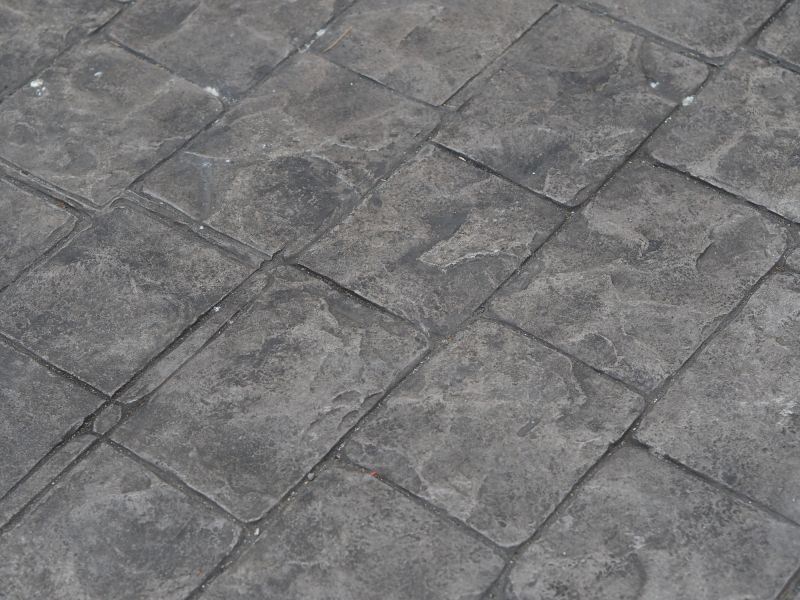
Spring offers mild temperatures ideal for stamped concrete application, ensuring proper curing and durability.
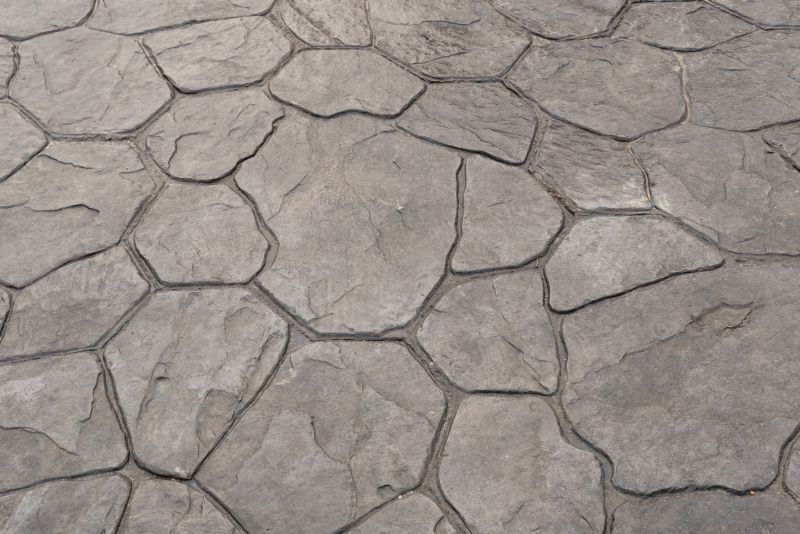
Summer can be suitable if temperatures are moderate; high heat may affect curing times and finish quality.
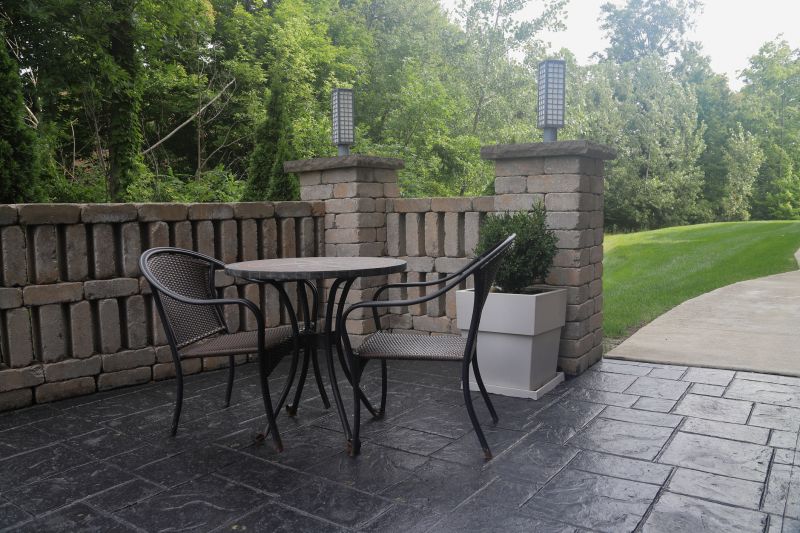
Fall provides cooler weather and lower humidity, which can improve the setting process of stamped concrete.
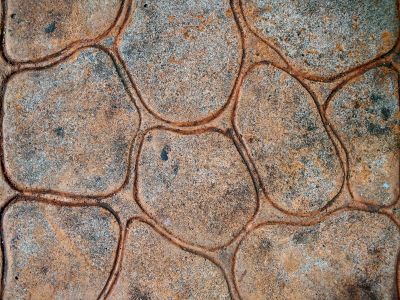
Ways to make Stamped Concrete Service work in tight or awkward layouts.
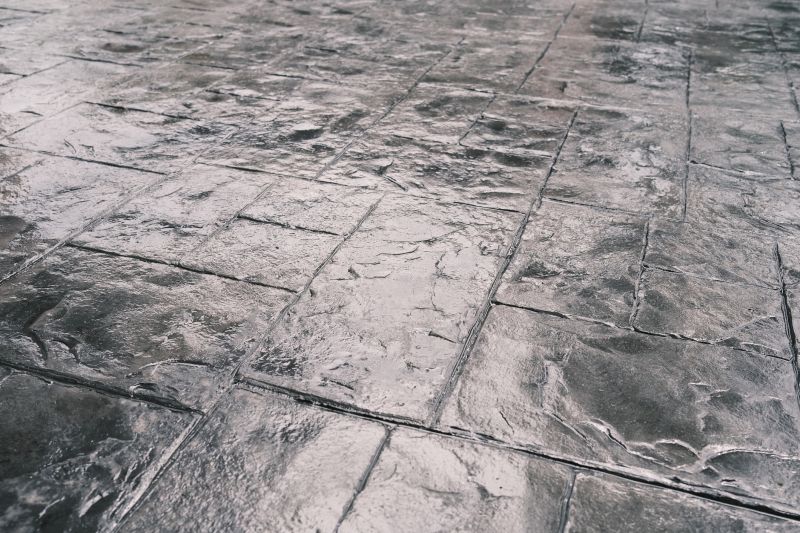
Popular materials for Stamped Concrete Service and why they hold up over time.
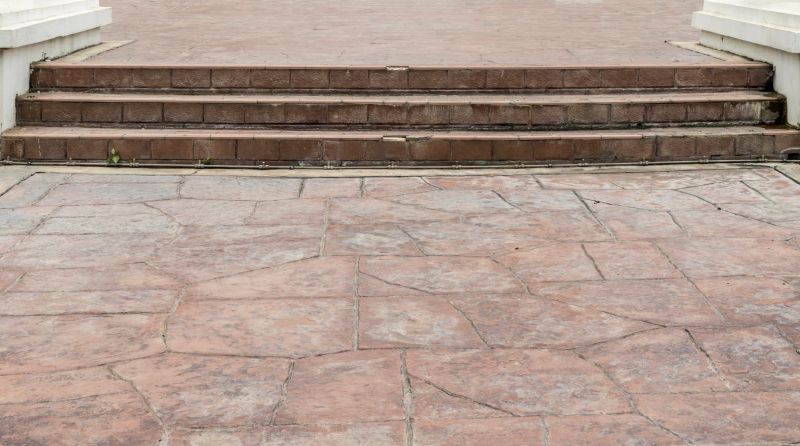
Simple add-ons that improve Stamped Concrete Service without blowing the budget.
Stamped concrete service involves creating decorative patterns and textures on concrete surfaces, offering an aesthetic alternative to traditional paving options. This process is popular for patios, driveways, and walkways due to its durability and customizable designs. Proper timing ensures optimal curing conditions, which are crucial for the longevity and appearance of the stamped surface. Typically, the best times for this service are during mild weather seasons when temperature and humidity levels are stable, avoiding extremes that can compromise the concrete's integrity.
Temperatures between 50 and 85 degrees Fahrenheit with low humidity are optimal for stamped concrete installation.
Extreme heat can cause rapid drying, leading to cracking, while cold temperatures may hinder proper curing.
Scheduling during spring and fall often provides the best conditions for lasting results.
Local climate patterns influence the timing of stamped concrete projects, ensuring proper curing and finish quality.
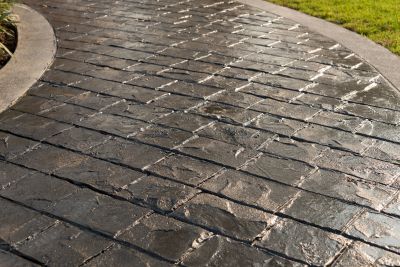
A decorative pattern on a driveway enhances curb appeal.
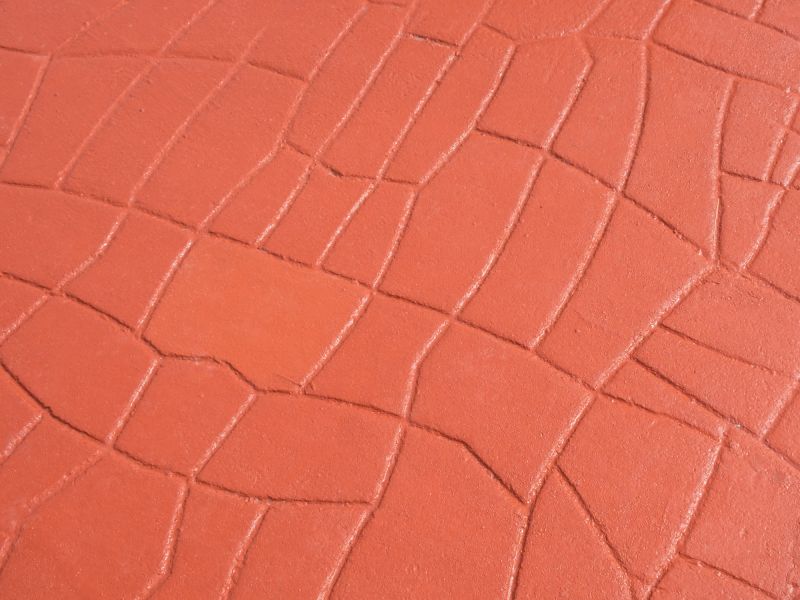
Color additives are often integrated during the stamping process.
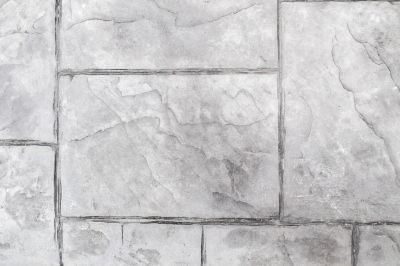
The textured surface provides slip resistance and aesthetic appeal.
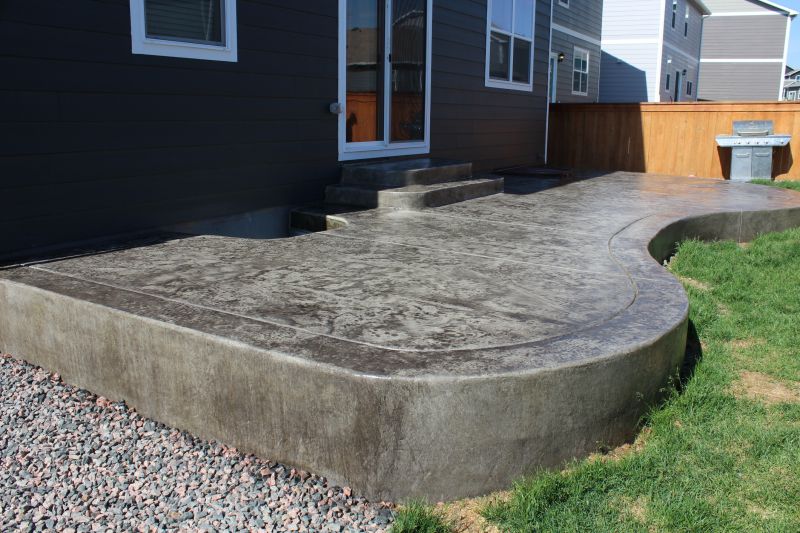
A completed stamped concrete patio showcases intricate designs.
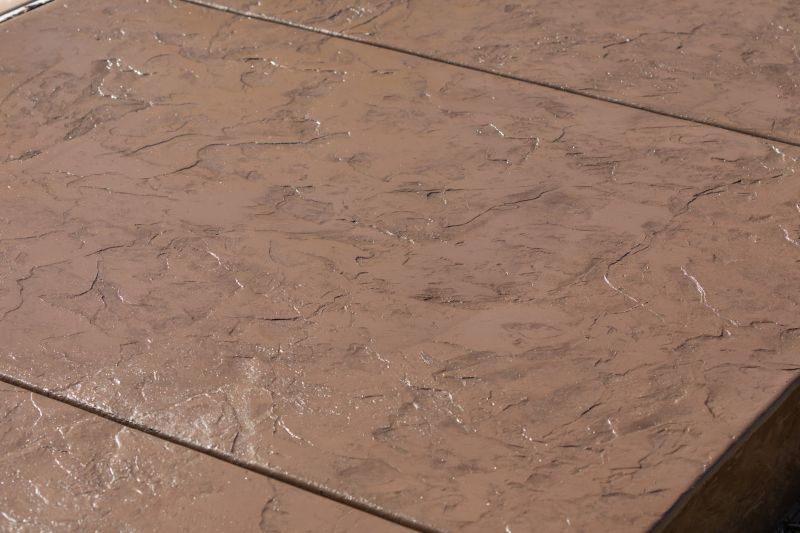
High-end options that actually feel worth it for Stamped Concrete Service.
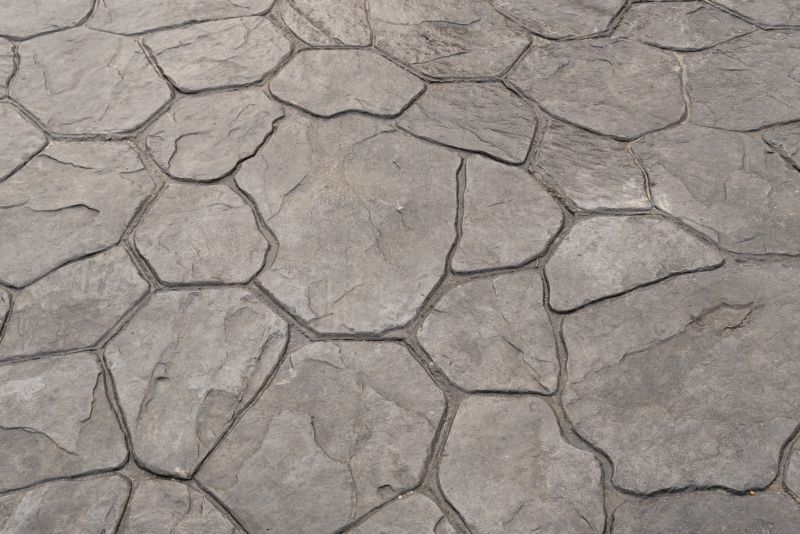
Finishes and colors that play nicely with Stamped Concrete Service.
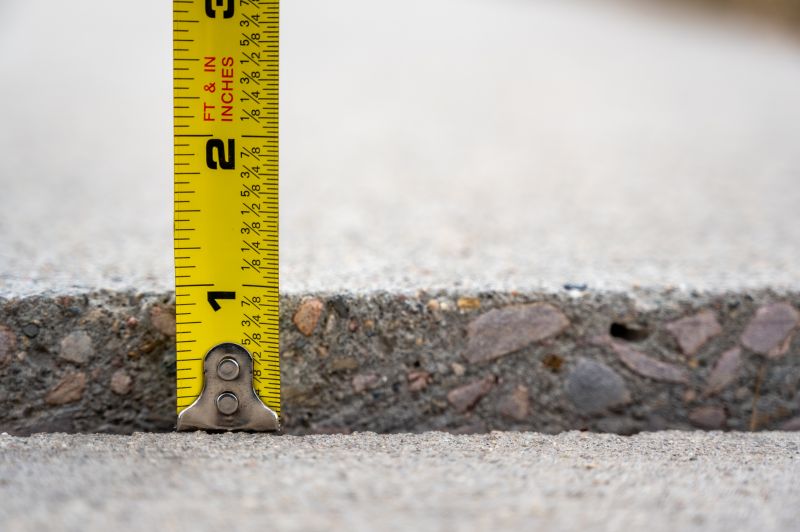
Little measurements that prevent headaches on Stamped Concrete Service day.
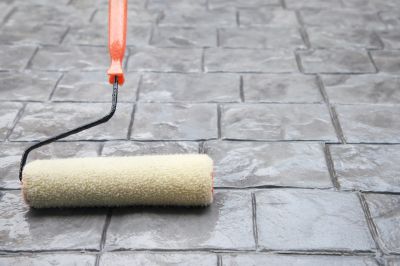
A 60-second routine that keeps Stamped Concrete Service looking new.
| Season | Optimal Conditions |
|---|---|
| Spring | Mild temperatures and low humidity |
| Summer | Moderate temperatures, avoid peak heat |
| Fall | Cooler weather with stable humidity |
| Winter | Not recommended due to cold temperatures |
| Late Spring | Ideal for consistent curing |
Choosing the right time for stamped concrete service ensures the best results and durability. Proper weather conditions facilitate even curing and help prevent issues such as cracking or improper setting. Planning around seasonal weather patterns can significantly impact the longevity and appearance of the finished surface. Consulting with a professional can assist in scheduling projects during the most suitable periods for specific local climates.
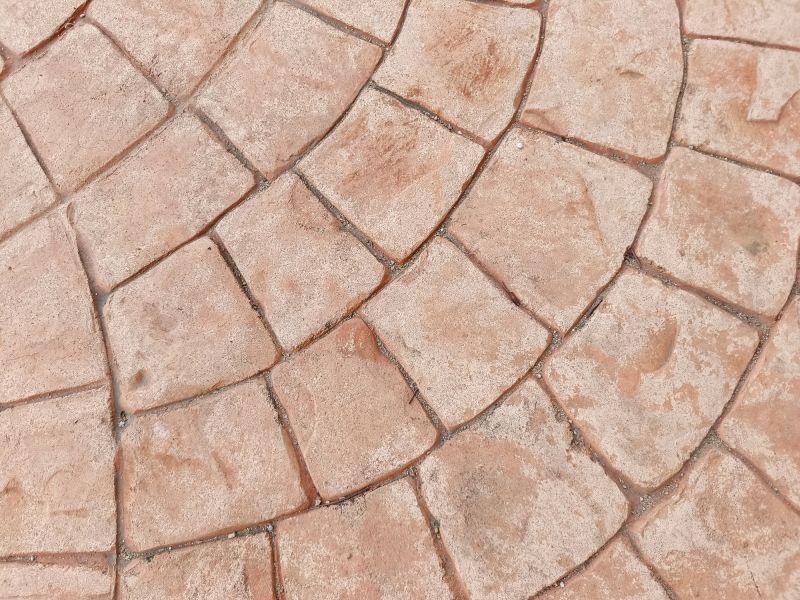
A close-up of a stamped pattern on a walkway.
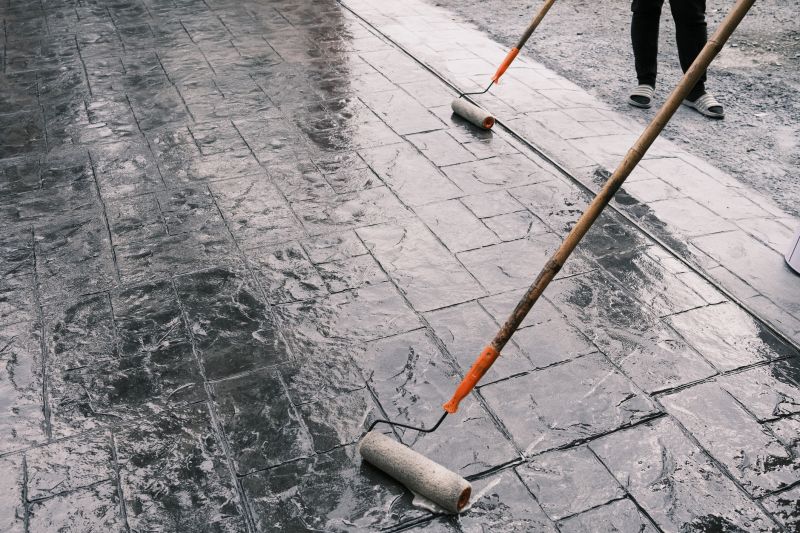
Vivid colors added during the stamping process.
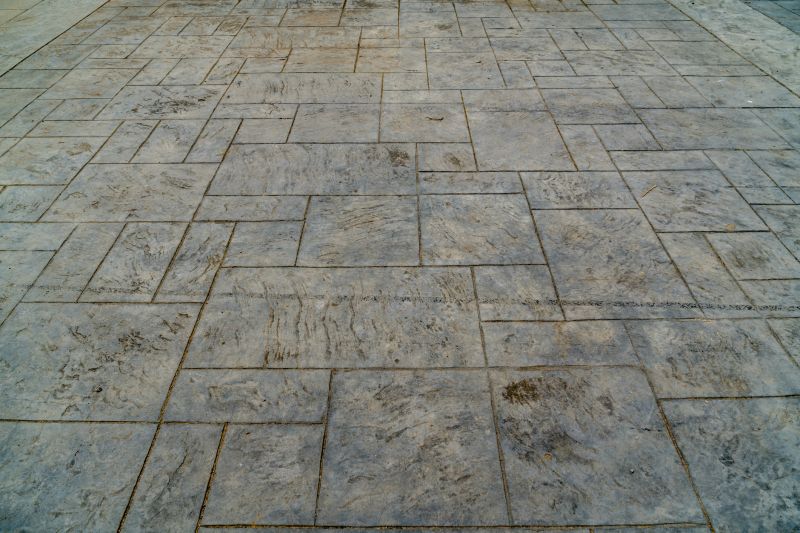
Enhanced slip resistance and aesthetic appeal.
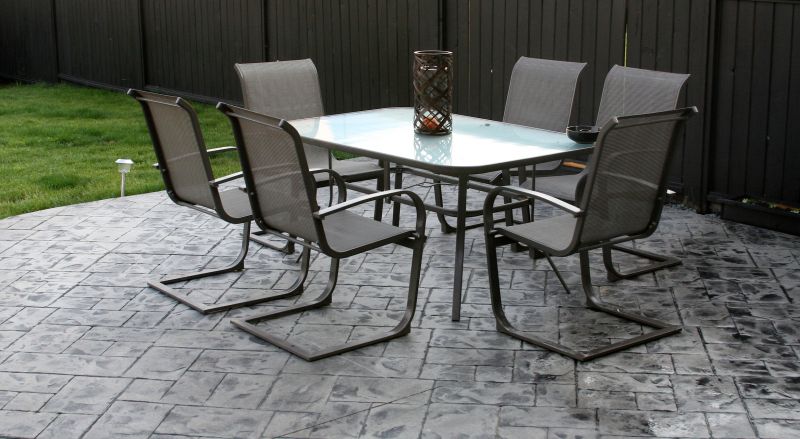
A durable and decorative outdoor space.
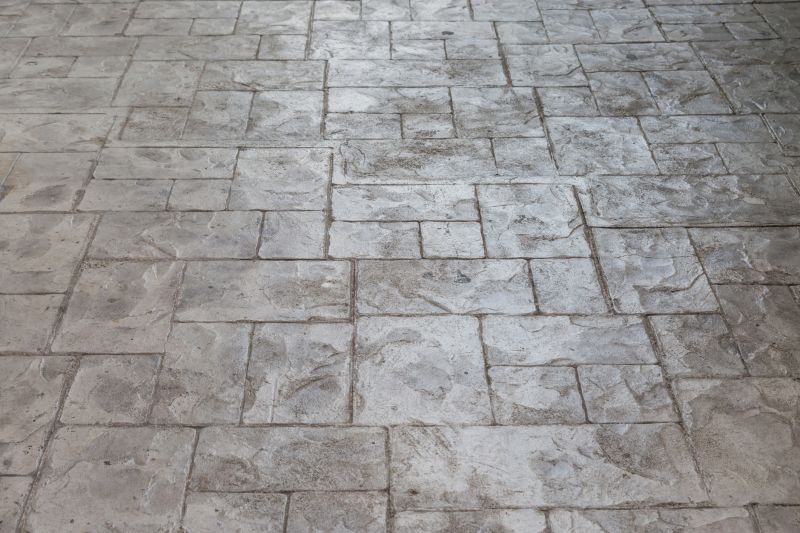
A frequent mistake in Stamped Concrete Service and how to dodge it.
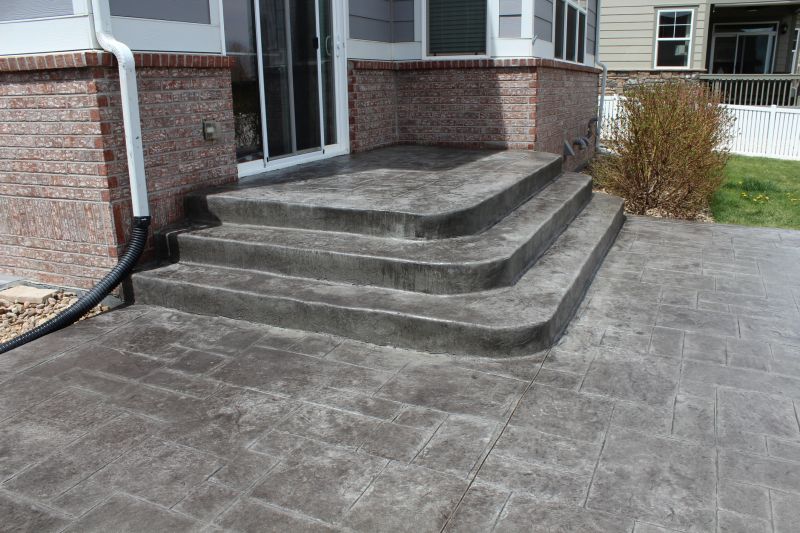
Small tweaks to make Stamped Concrete Service safer and easier to use.
Lower-waste or water-saving choices for Stamped Concrete Service.
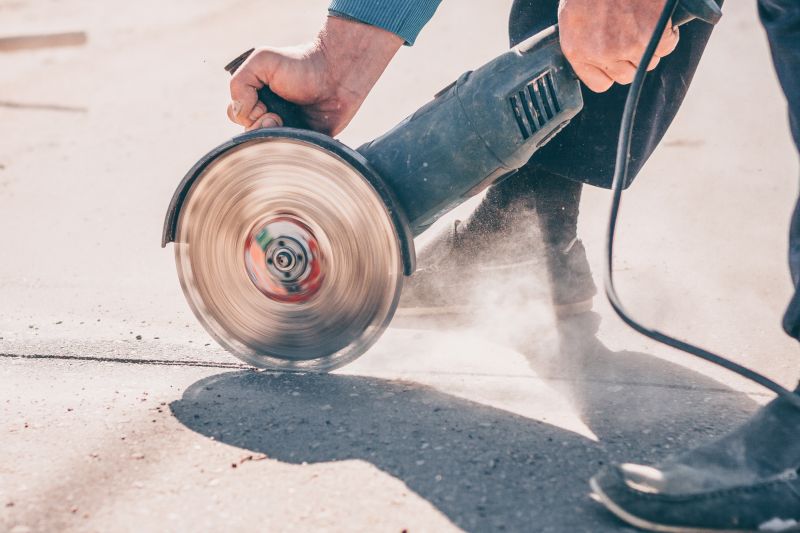
The short, realistic tool list for quality Stamped Concrete Service.
Interested parties are encouraged to contact for more information about scheduling stamped concrete services. Proper timing and preparation can ensure the desired aesthetic and structural qualities are achieved, contributing to a lasting, attractive surface.